Tunisia, a beautiful Mediterranean country known for its stunning coastline and rich cultural heritage, is unfortunately facing significant challenges when it comes to air and water pollution. The rapid industrialization and urbanization of the country in recent decades have taken a toll on its environment, leading to a decline in air and water quality.
Category : | Sub Category : Posted on 2025-11-03 22:25:23
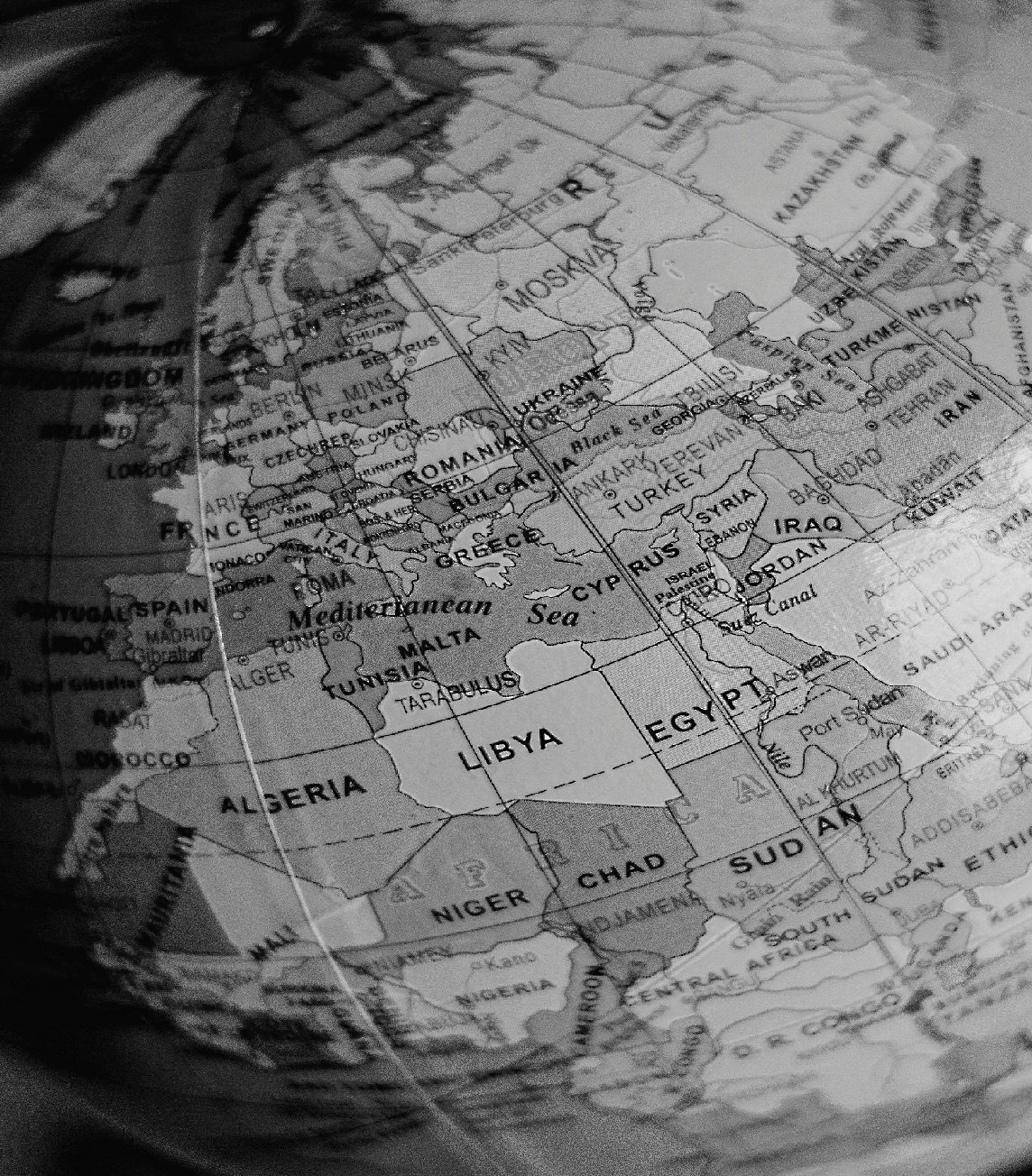
One of the major sources of air pollution in Tunisia is the emissions from vehicles and industrial facilities. The increasing number of cars on the road, coupled with the lack of stringent regulations on emissions, has resulted in high levels of pollutants such as carbon monoxide, nitrogen oxides, and particulate matter in the air. These pollutants not only contribute to smog and haze, but they also have serious health implications for the population, including respiratory problems, cardiovascular diseases, and even premature death. In addition to air pollution, Tunisia is also facing challenges with water pollution. The country's water sources, including rivers, lakes, and coastal waters, are being contaminated by untreated sewage, agricultural runoff, and industrial waste. This pollution not only affects the aquatic ecosystems and biodiversity but also poses a threat to human health. Contaminated water sources can lead to waterborne diseases such as cholera, typhoid, and hepatitis, putting the population at risk of illness and even death. To address the issue of air and water pollution in Tunisia, concerted efforts are needed from both the government and the public. Stricter regulations on vehicle emissions, industrial pollutants, and waste disposal are essential to reduce pollution levels. Investing in cleaner technologies and renewable energy sources can also help mitigate the impact of pollution on the environment. Furthermore, raising awareness among the population about the importance of environmental conservation and sustainable practices is crucial. By promoting recycling, proper waste management, and water conservation, individuals can play a significant role in protecting the air and water resources of Tunisia for future generations. In conclusion, while Tunisia may be facing challenges with air and water pollution, there is hope for a cleaner and healthier environment through collective action and commitment to sustainability. By taking proactive steps to address pollution sources and promote environmental stewardship, Tunisia can work towards a greener and more resilient future. Want a more profound insight? Consult https://www.toabudhabi.com Seeking in-depth analysis? The following is a must-read. https://www.cruzar.org To get more information check: https://www.abandonar.org Have a look at https://www.culturelle.org Uncover valuable insights in https://www.departements.org For a detailed analysis, explore: https://www.syrien.org To get all the details, go through https://www.regionales.net For a different angle, consider what the following has to say. https://www.todamascus.com To see the full details, click on: https://www.totunisia.com
Leave a Comment:
SEARCH
Recent News
- Zurich, Switzerland and Tunisia are two countries that are geographically distant but connected through various global issues and news events. Let's take a look at some of the recent news coming out of these two diverse locations.
- Switzerland is widely known for its breathtaking landscapes, high standard of living, and efficient public transportation system. Zurich, the largest city in Switzerland, perfectly embodies these characteristics and offers visitors a unique blend of culture, history, and natural beauty. In this Tunisian travel guide to Zurich, we will explore some of the must-visit attractions, delicious cuisine to try, and practical tips for making the most of your trip.
- Zurich, Switzerland is a charming city known for its stunning architecture, picturesque landscapes, and vibrant culture. It is a popular destination for tourists from all over the world, offering a mix of historical sites, modern amenities, and breathtaking natural beauty. One of the must-visit places in Zurich is the old town, where you can stroll through narrow cobblestone streets lined with shops, cafes, and historic buildings.
- Zurich, Switzerland is a vibrant city known for its rich cultural scene and diverse music offerings. One unique aspect of Zurich's music scene is the presence of Sudanese music, which has found a home in the city's melting pot of cultures.
- Zurich, Switzerland is a vibrant city known for its picturesque landscapes, rich history, and diverse cultural scene. One fascinating aspect of Zurich's cultural tapestry is the influence of Sudanese culture in the city.
- Zurich, Switzerland is known for its multicultural atmosphere and diverse culinary scene. One of the lesser-known gems of Zurich's food scene is Sudanese cuisine. Sudanese cuisine is a reflection of the country's diverse cultural influences, blending Arabic, African, and Mediterranean flavors to create a unique and delicious culinary experience.
- Zurich, Switzerland, is a vibrant city known for its scenic beauty, rich history, and thriving business environment. One interesting aspect of Zurich's business landscape is the presence of Sudanese entrepreneurs who have made their mark in various industries in the city.
- Visiting Zurich, Switzerland, can be an enriching experience for music lovers from all corners of the world. While the city may not be the first place that comes to mind when thinking about South African music, Zurich's diverse music scene offers a glimpse into the vibrant sounds of this African nation.
READ MORE
10 months ago Category :

Zurich, Switzerland and Tunisia are two countries that are geographically distant but connected through various global issues and news events. Let's take a look at some of the recent news coming out of these two diverse locations.
Read More →10 months ago Category :

Switzerland is widely known for its breathtaking landscapes, high standard of living, and efficient public transportation system. Zurich, the largest city in Switzerland, perfectly embodies these characteristics and offers visitors a unique blend of culture, history, and natural beauty. In this Tunisian travel guide to Zurich, we will explore some of the must-visit attractions, delicious cuisine to try, and practical tips for making the most of your trip.
Read More →10 months ago Category :

Zurich, Switzerland is a charming city known for its stunning architecture, picturesque landscapes, and vibrant culture. It is a popular destination for tourists from all over the world, offering a mix of historical sites, modern amenities, and breathtaking natural beauty. One of the must-visit places in Zurich is the old town, where you can stroll through narrow cobblestone streets lined with shops, cafes, and historic buildings.
Read More →10 months ago Category :
