Understanding Taxation and Penalties in the Libyan Energy Sector
Category : | Sub Category : Posted on 2025-11-03 22:25:23
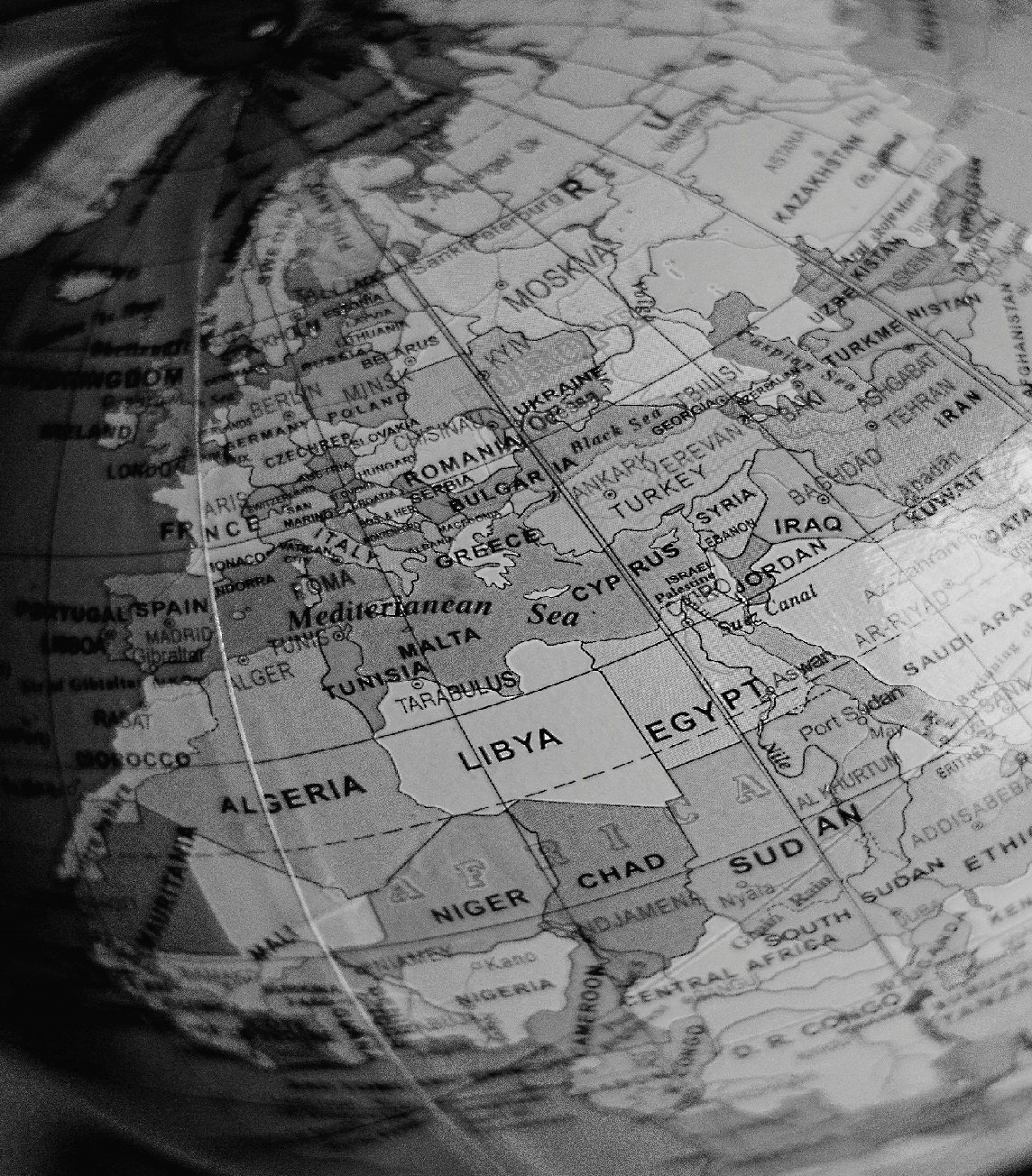
The Energy sector plays a crucial role in the economy of Libya, a country rich in oil and gas resources. As with any industry, taxation and penalties are important aspects that companies operating in the Libyan energy sector need to be aware of and comply with. In this blog post, we will explore the taxation and penalties relevant to the Libyan energy sector. Taxation in the Libyan Energy Sector: Taxation in the Libyan energy sector is governed by the country's tax laws and regulations. Companies involved in the exploration, production, and distribution of oil and gas are subject to various taxes, including corporate income tax, withholding tax, and production sharing agreement (PSA) tax. Corporate Income Tax: Companies operating in the Libyan energy sector are subject to corporate income tax on their profits. The corporate income tax rate is currently set at a flat rate of 20%. Companies are required to file annual tax returns and pay any tax due within the specified deadlines. Withholding Tax: Withholding tax applies to payments made by companies in the energy sector to non-resident entities, such as contractors and service providers. The withholding tax rate varies depending on the nature of the payment, with rates typically ranging from 5% to 10%. Production Sharing Agreement (PSA) Tax: In Libya, many oil and gas projects are developed under production sharing agreements between the government and oil companies. The terms of these agreements include provisions for the payment of PSA tax, which is calculated based on a percentage of the project's production or revenue. Penalties in the Libyan Energy Sector: Failure to comply with tax laws and regulations in Libya can result in penalties imposed by the tax authorities. Penalties may be imposed for late filing or payment of taxes, failure to maintain proper records, or underreporting of income. Penalties for non-compliance can include fines, interest charges on unpaid taxes, and potential legal action. It is essential for companies in the Libyan energy sector to ensure compliance with tax obligations to avoid penalties and maintain a positive relationship with the tax authorities. In conclusion, taxation and penalties are critical considerations for companies operating in the Libyan energy sector. By understanding and adhering to tax laws and regulations, companies can fulfill their obligations, mitigate risks, and contribute to the sustainable development of the energy industry in Libya. Staying informed about taxation and penalties can help companies navigate the complex regulatory environment and foster long-term success in the sector. Want to expand your knowledge? Start with https://www.sunpowerpanels.com For more information check: https://www.tocongo.com For a fresh perspective, give the following a read https://www.toabudhabi.com Get a well-rounded perspective with https://www.cruzar.org Explore this subject further by checking out https://www.abandonar.org Want to know more? Don't forget to read: https://www.culturelle.org More in https://www.departements.org For a closer look, don't forget to read https://www.refueling.net also click the following link for more https://www.regionales.net also this link is for more information https://www.adizione.com Get a well-rounded perspective with https://www.ncciraq.com Want a more profound insight? Consult https://www.todamascus.com To understand this better, read https://www.totunisia.com For comprehensive coverage, check out https://www.coopenae.com
Leave a Comment:
SEARCH
Recent News
- Zurich, Switzerland and Tunisia are two countries that are geographically distant but connected through various global issues and news events. Let's take a look at some of the recent news coming out of these two diverse locations.
- Switzerland is widely known for its breathtaking landscapes, high standard of living, and efficient public transportation system. Zurich, the largest city in Switzerland, perfectly embodies these characteristics and offers visitors a unique blend of culture, history, and natural beauty. In this Tunisian travel guide to Zurich, we will explore some of the must-visit attractions, delicious cuisine to try, and practical tips for making the most of your trip.
- Zurich, Switzerland is a charming city known for its stunning architecture, picturesque landscapes, and vibrant culture. It is a popular destination for tourists from all over the world, offering a mix of historical sites, modern amenities, and breathtaking natural beauty. One of the must-visit places in Zurich is the old town, where you can stroll through narrow cobblestone streets lined with shops, cafes, and historic buildings.
- Zurich, Switzerland is a vibrant city known for its rich cultural scene and diverse music offerings. One unique aspect of Zurich's music scene is the presence of Sudanese music, which has found a home in the city's melting pot of cultures.
- Zurich, Switzerland is a vibrant city known for its picturesque landscapes, rich history, and diverse cultural scene. One fascinating aspect of Zurich's cultural tapestry is the influence of Sudanese culture in the city.
- Zurich, Switzerland is known for its multicultural atmosphere and diverse culinary scene. One of the lesser-known gems of Zurich's food scene is Sudanese cuisine. Sudanese cuisine is a reflection of the country's diverse cultural influences, blending Arabic, African, and Mediterranean flavors to create a unique and delicious culinary experience.
- Zurich, Switzerland, is a vibrant city known for its scenic beauty, rich history, and thriving business environment. One interesting aspect of Zurich's business landscape is the presence of Sudanese entrepreneurs who have made their mark in various industries in the city.
- Visiting Zurich, Switzerland, can be an enriching experience for music lovers from all corners of the world. While the city may not be the first place that comes to mind when thinking about South African music, Zurich's diverse music scene offers a glimpse into the vibrant sounds of this African nation.
READ MORE
10 months ago Category :

Zurich, Switzerland and Tunisia are two countries that are geographically distant but connected through various global issues and news events. Let's take a look at some of the recent news coming out of these two diverse locations.
Read More →10 months ago Category :

Switzerland is widely known for its breathtaking landscapes, high standard of living, and efficient public transportation system. Zurich, the largest city in Switzerland, perfectly embodies these characteristics and offers visitors a unique blend of culture, history, and natural beauty. In this Tunisian travel guide to Zurich, we will explore some of the must-visit attractions, delicious cuisine to try, and practical tips for making the most of your trip.
Read More →10 months ago Category :

Zurich, Switzerland is a charming city known for its stunning architecture, picturesque landscapes, and vibrant culture. It is a popular destination for tourists from all over the world, offering a mix of historical sites, modern amenities, and breathtaking natural beauty. One of the must-visit places in Zurich is the old town, where you can stroll through narrow cobblestone streets lined with shops, cafes, and historic buildings.
Read More →10 months ago Category :
