Libya, a North African country, has a unique banking and finance sector that is shaped by its regional influences. In this blog post, we will explore the key aspects of regional Libyan banking and finance.
Category : | Sub Category : Posted on 2025-11-03 22:25:23
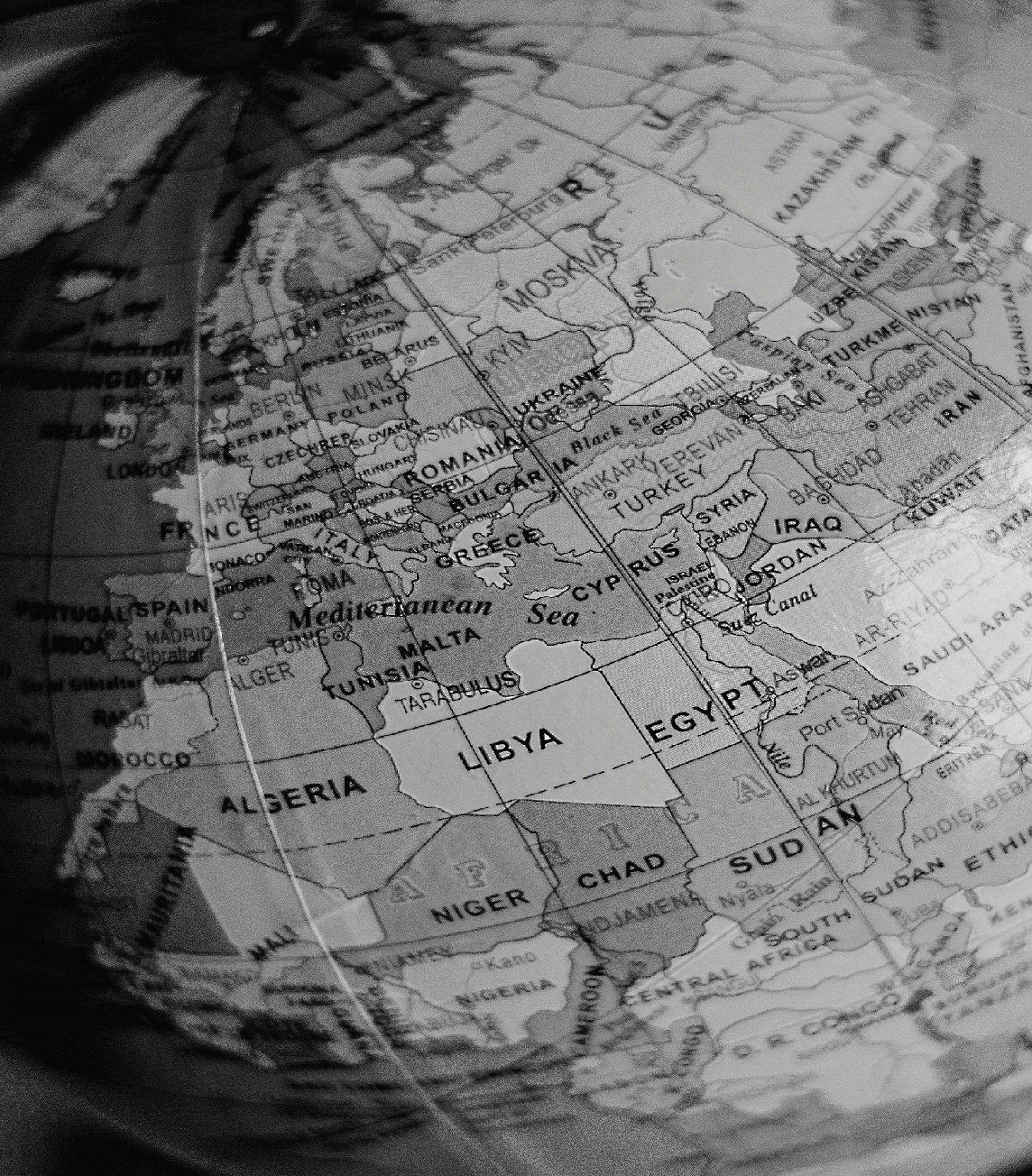
The banking sector in Libya is primarily dominated by state-owned banks, with a few private banks operating alongside them. The Central Bank of Libya plays a significant role in regulating the banking industry and formulating monetary policy to ensure stability in the financial system. One of the major challenges facing the Libyan banking sector is the impact of Regional instability on the economy. The country has experienced political turmoil and conflict in recent years, which has hindered economic growth and stability. This has led to challenges such as liquidity shortages, limited access to credit, and constraints on business operations. Despite these challenges, the Libyan banking sector has shown resilience and adaptability. Banks in the country have been exploring digital solutions to enhance financial inclusion and improve access to banking services, especially in remote regions. Mobile banking and online payment systems are gaining popularity among the population, offering convenience and efficiency in conducting financial transactions. In terms of finance, Libya has a nascent capital market that is gradually developing. The Libyan Stock Exchange, established in 2007, provides a platform for trading securities and mobilizing capital for businesses. However, the exchange is still in its early stages and faces challenges such as low liquidity and limited investment options. Regional influences play a significant role in shaping the banking and finance sector in Libya. The country's proximity to other North African and Middle Eastern markets creates opportunities for cross-border trade and investment. In recent years, there has been a growing interest in Islamic finance in Libya, with the introduction of Islamic banks offering Sharia-compliant financial products and services. Looking ahead, the Libyan banking and finance sector is expected to continue evolving in response to regional dynamics and global trends. Enhancing regulatory frameworks, strengthening risk management practices, and promoting financial literacy will be crucial in supporting the sector's growth and resilience. In conclusion, regional influences play a significant role in shaping the banking and finance sector in Libya. Despite challenges stemming from political instability, the sector is adapting to new realities and exploring opportunities for growth and innovation. By leveraging regional partnerships and embracing digital advancements, the Libyan banking and finance industry can pave the way for a more robust and inclusive financial ecosystem. also for More in https://www.toabudhabi.com If you are interested you can check the following website https://www.diaria.org also for more info https://www.cruzar.org Expand your knowledge by perusing https://www.abandonar.org If you are interested you can check the following website https://www.culturelle.org More about this subject in https://www.savanne.org For more information: https://www.departements.org Check this out https://www.regionales.net Dropy by for a visit at https://www.ncciraq.com Explore expert opinions in https://www.todamascus.com Looking for expert opinions? Find them in https://www.totunisia.com Looking for expert opinions? Find them in https://www.tohonduras.com For the latest research, visit https://www.paraguayinfo.com To expand your knowledge, I recommend: https://www.boliviainfo.com To understand this better, read https://www.nequi.org
Leave a Comment:
SEARCH
Recent News
- Zurich, Switzerland and Tunisia are two countries that are geographically distant but connected through various global issues and news events. Let's take a look at some of the recent news coming out of these two diverse locations.
- Switzerland is widely known for its breathtaking landscapes, high standard of living, and efficient public transportation system. Zurich, the largest city in Switzerland, perfectly embodies these characteristics and offers visitors a unique blend of culture, history, and natural beauty. In this Tunisian travel guide to Zurich, we will explore some of the must-visit attractions, delicious cuisine to try, and practical tips for making the most of your trip.
- Zurich, Switzerland is a charming city known for its stunning architecture, picturesque landscapes, and vibrant culture. It is a popular destination for tourists from all over the world, offering a mix of historical sites, modern amenities, and breathtaking natural beauty. One of the must-visit places in Zurich is the old town, where you can stroll through narrow cobblestone streets lined with shops, cafes, and historic buildings.
- Zurich, Switzerland is a vibrant city known for its rich cultural scene and diverse music offerings. One unique aspect of Zurich's music scene is the presence of Sudanese music, which has found a home in the city's melting pot of cultures.
- Zurich, Switzerland is a vibrant city known for its picturesque landscapes, rich history, and diverse cultural scene. One fascinating aspect of Zurich's cultural tapestry is the influence of Sudanese culture in the city.
- Zurich, Switzerland is known for its multicultural atmosphere and diverse culinary scene. One of the lesser-known gems of Zurich's food scene is Sudanese cuisine. Sudanese cuisine is a reflection of the country's diverse cultural influences, blending Arabic, African, and Mediterranean flavors to create a unique and delicious culinary experience.
- Zurich, Switzerland, is a vibrant city known for its scenic beauty, rich history, and thriving business environment. One interesting aspect of Zurich's business landscape is the presence of Sudanese entrepreneurs who have made their mark in various industries in the city.
- Visiting Zurich, Switzerland, can be an enriching experience for music lovers from all corners of the world. While the city may not be the first place that comes to mind when thinking about South African music, Zurich's diverse music scene offers a glimpse into the vibrant sounds of this African nation.
READ MORE
10 months ago Category :

Zurich, Switzerland and Tunisia are two countries that are geographically distant but connected through various global issues and news events. Let's take a look at some of the recent news coming out of these two diverse locations.
Read More →10 months ago Category :

Switzerland is widely known for its breathtaking landscapes, high standard of living, and efficient public transportation system. Zurich, the largest city in Switzerland, perfectly embodies these characteristics and offers visitors a unique blend of culture, history, and natural beauty. In this Tunisian travel guide to Zurich, we will explore some of the must-visit attractions, delicious cuisine to try, and practical tips for making the most of your trip.
Read More →10 months ago Category :

Zurich, Switzerland is a charming city known for its stunning architecture, picturesque landscapes, and vibrant culture. It is a popular destination for tourists from all over the world, offering a mix of historical sites, modern amenities, and breathtaking natural beauty. One of the must-visit places in Zurich is the old town, where you can stroll through narrow cobblestone streets lined with shops, cafes, and historic buildings.
Read More →10 months ago Category :
