Iraqi Regional Clothing: A Glimpse into the Country's Diverse Fashion Heritage
Category : | Sub Category : Posted on 2025-11-03 22:25:23
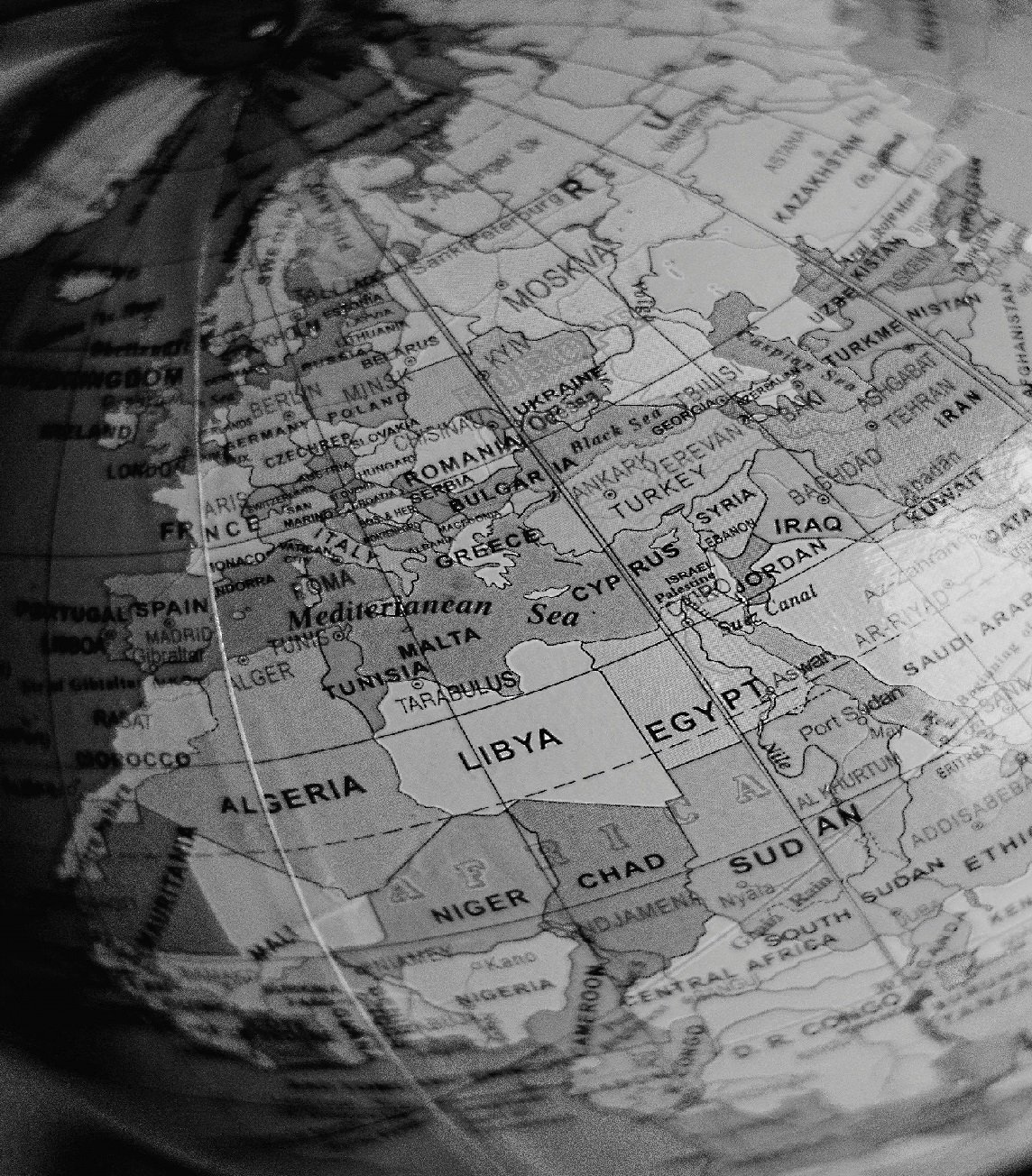
The traditional clothing of Iraq is as diverse and rich as the country's history and cultural heritage. Iraqi regional clothing reflects the influence of various civilizations and ethnic groups that have inhabited the region over the centuries, resulting in a colorful tapestry of styles and designs. One of the most iconic pieces of traditional Iraqi clothing is the dishdasha, also known as a thobe or kandura. This ankle-length garment is typically worn by men and is often made of lightweight fabric to help combat the country's hot climate. The dishdasha is usually white and loose-fitting, providing comfort and ease of movement in the sweltering desert heat. For women, the abaaya is a traditional overgarment that is commonly worn in Iraq. The abaaya is a loose, flowing robe that covers the entire body, usually worn over regular clothing. It can be plain or intricately embroidered, depending on the occasion and personal style preference. In addition to these widely worn garments, Iraq's regional clothing also includes a variety of traditional accessories that add flair and personality to outfits. For example, the kufiya is a traditional headdress worn by men, typically made of a checkered black and white patterned fabric. It is often worn folded into a triangle and secured with a black cord, providing protection from the sun and sand while also adding a touch of style to the outfit. Another popular accessory in Iraqi regional clothing is the hand-embroidered bag known as a jibbeh. These intricately designed bags are often worn by women and can be used to carry personal items or serve as a decorative element that complements the rest of the outfit. Iraq's regional clothing is a reflection of the country's diverse cultural heritage and the centuries-old traditions that continue to be cherished and passed down through generations. Whether worn for everyday occasions or special events, traditional Iraqi clothing serves as a symbol of pride and identity for the people of this historically rich nation. Click the following link for more https://www.unifil.org If you are enthusiast, check this out https://www.assyrians.net For a comprehensive overview, don't miss: https://www.indicazioni.com For a comprehensive overview, don't miss: https://www.toabudhabi.com Seeking more information? The following has you covered. https://www.diaria.org Here is the following website to check: https://www.cruzar.org Check the link below: https://www.toalgeria.com Get a well-rounded perspective with https://www.abandonar.org Seeking more information? The following has you covered. https://www.culturelle.org Looking for expert opinions? Find them in https://www.savanne.org also this link is for more information https://www.departements.org also for more info https://www.syrien.org Take a deep dive into this topic by checking: https://www.regionales.net For a detailed analysis, explore: https://www.ncciraq.com Want a more profound insight? Consult https://www.todamascus.com To learn more, take a look at: https://www.tohonduras.com If you are interested you can check the following website https://www.paraguayinfo.com For a broader exploration, take a look at https://www.boliviainfo.com
Leave a Comment:
SEARCH
Recent News
- Zurich, Switzerland and Tunisia are two countries that are geographically distant but connected through various global issues and news events. Let's take a look at some of the recent news coming out of these two diverse locations.
- Switzerland is widely known for its breathtaking landscapes, high standard of living, and efficient public transportation system. Zurich, the largest city in Switzerland, perfectly embodies these characteristics and offers visitors a unique blend of culture, history, and natural beauty. In this Tunisian travel guide to Zurich, we will explore some of the must-visit attractions, delicious cuisine to try, and practical tips for making the most of your trip.
- Zurich, Switzerland is a charming city known for its stunning architecture, picturesque landscapes, and vibrant culture. It is a popular destination for tourists from all over the world, offering a mix of historical sites, modern amenities, and breathtaking natural beauty. One of the must-visit places in Zurich is the old town, where you can stroll through narrow cobblestone streets lined with shops, cafes, and historic buildings.
- Zurich, Switzerland is a vibrant city known for its rich cultural scene and diverse music offerings. One unique aspect of Zurich's music scene is the presence of Sudanese music, which has found a home in the city's melting pot of cultures.
- Zurich, Switzerland is a vibrant city known for its picturesque landscapes, rich history, and diverse cultural scene. One fascinating aspect of Zurich's cultural tapestry is the influence of Sudanese culture in the city.
- Zurich, Switzerland is known for its multicultural atmosphere and diverse culinary scene. One of the lesser-known gems of Zurich's food scene is Sudanese cuisine. Sudanese cuisine is a reflection of the country's diverse cultural influences, blending Arabic, African, and Mediterranean flavors to create a unique and delicious culinary experience.
- Zurich, Switzerland, is a vibrant city known for its scenic beauty, rich history, and thriving business environment. One interesting aspect of Zurich's business landscape is the presence of Sudanese entrepreneurs who have made their mark in various industries in the city.
- Visiting Zurich, Switzerland, can be an enriching experience for music lovers from all corners of the world. While the city may not be the first place that comes to mind when thinking about South African music, Zurich's diverse music scene offers a glimpse into the vibrant sounds of this African nation.
READ MORE
11 months ago Category :

Zurich, Switzerland and Tunisia are two countries that are geographically distant but connected through various global issues and news events. Let's take a look at some of the recent news coming out of these two diverse locations.
Read More →11 months ago Category :

Switzerland is widely known for its breathtaking landscapes, high standard of living, and efficient public transportation system. Zurich, the largest city in Switzerland, perfectly embodies these characteristics and offers visitors a unique blend of culture, history, and natural beauty. In this Tunisian travel guide to Zurich, we will explore some of the must-visit attractions, delicious cuisine to try, and practical tips for making the most of your trip.
Read More →11 months ago Category :

Zurich, Switzerland is a charming city known for its stunning architecture, picturesque landscapes, and vibrant culture. It is a popular destination for tourists from all over the world, offering a mix of historical sites, modern amenities, and breathtaking natural beauty. One of the must-visit places in Zurich is the old town, where you can stroll through narrow cobblestone streets lined with shops, cafes, and historic buildings.
Read More →11 months ago Category :
