Ancient Egypt is widely known for its incredible civilization and the numerous contributions it made to human history. One of the key industries of ancient Egypt was the mining and quarrying of various materials such as limestone, granite, and precious stones. The Egyptians used these materials to build their impressive architectural structures, including the famous pyramids, temples, and tombs.
Category : | Sub Category : Posted on 2025-11-03 22:25:23
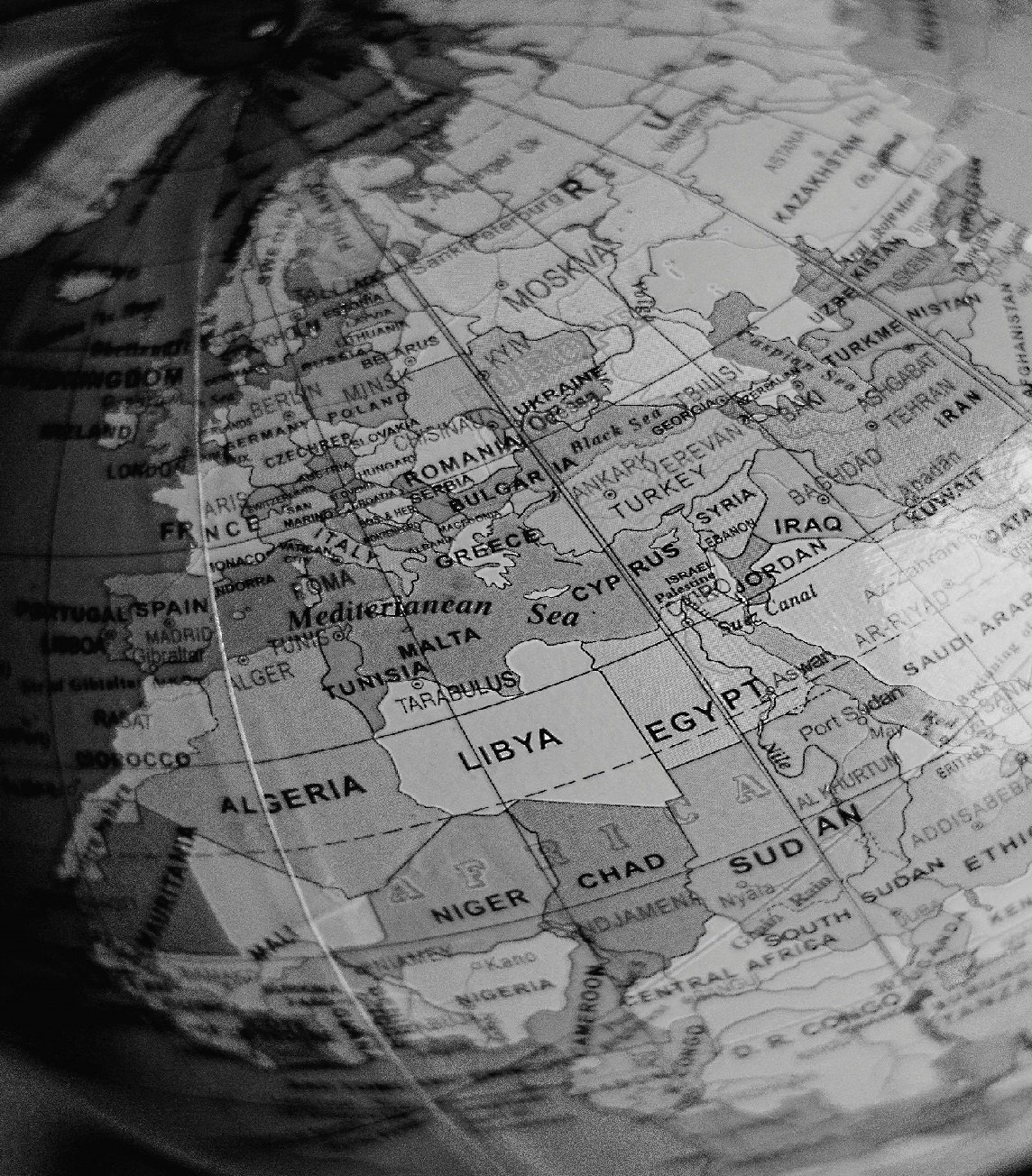
The Egyptian civilization was also known for its advanced techniques in agriculture and irrigation. The fertile lands around the Nile River provided the Egyptians with a bountiful harvest, allowing them to develop a thriving agricultural industry. They cultivated a variety of crops, including wheat, barley, flax, and papyrus, which were essential to the economy of ancient Egypt. Additionally, the Egyptians were skilled craftsmen and artisans who produced a wide range of goods, including pottery, jewelry, textiles, and furniture. These products were not only used by the Egyptian people themselves but were also traded with other civilizations in the region. The trade industry played a significant role in the economy of ancient Egypt, allowing them to acquire valuable resources and luxury goods from distant lands. In terms of industry, one of the key contributions of ancient Egypt was the development of writing systems. The Egyptians invented hieroglyphics, a complex system of pictorial symbols that was used for religious texts, governmental records, and literature. This writing system was a crucial advancement in communication and documentation, laying the foundation for future writing systems that would be developed by other civilizations. In modern times, Egypt continues to be a hub for various industries, including tourism, agriculture, and manufacturing. The country's rich history and cultural heritage attract millions of tourists each year, contributing significantly to its economy. The agricultural sector remains vital to Egypt's economy, with the country being a leading producer of crops such as cotton, rice, and citrus fruits. Furthermore, Egypt has a growing manufacturing industry, with sectors such as textiles, chemicals, and food processing playing a crucial role in the country's economy. The government has also been investing in renewable energy projects, aiming to reduce its reliance on fossil fuels and promote sustainability in the industrial sector. In conclusion, Egypt has a long history of industry and innovation that dates back to ancient times. From mining and agriculture to craftsmanship and trade, the Egyptians have made significant contributions to various industries that have shaped the country's economy and cultural heritage. Today, Egypt continues to evolve and adapt, embracing new technologies and sustainable practices to drive its industries forward into the future. Seeking more information? The following has you covered. https://www.tonigeria.com Also Check the following website https://www.tocongo.com Click the following link for more https://www.toabudhabi.com To learn more, take a look at: https://www.cruzar.org For a different perspective, see: https://www.toalgeria.com Want a deeper understanding? https://www.abandonar.org More about this subject in https://www.culturelle.org For expert commentary, delve into https://www.departements.org To gain a holistic understanding, refer to https://www.syrien.org Have a look at the following website to get more information https://www.regionales.net Seeking answers? You might find them in https://www.ncciraq.com also click the following link for more https://www.todamascus.com If you're interested in this topic, I suggest reading https://www.totunisia.com For more info https://www.isethiopia.com Dive into the details to understand this topic thoroughly. https://www.tosudan.com Explore this subject further for a deeper understanding. https://www.johannesburginfo.com Have a visit at https://www.isrome.com For more information about this: https://www.nacionalismo.com
Leave a Comment:
SEARCH
Recent News
- Zurich, Switzerland and Tunisia are two countries that are geographically distant but connected through various global issues and news events. Let's take a look at some of the recent news coming out of these two diverse locations.
- Switzerland is widely known for its breathtaking landscapes, high standard of living, and efficient public transportation system. Zurich, the largest city in Switzerland, perfectly embodies these characteristics and offers visitors a unique blend of culture, history, and natural beauty. In this Tunisian travel guide to Zurich, we will explore some of the must-visit attractions, delicious cuisine to try, and practical tips for making the most of your trip.
- Zurich, Switzerland is a charming city known for its stunning architecture, picturesque landscapes, and vibrant culture. It is a popular destination for tourists from all over the world, offering a mix of historical sites, modern amenities, and breathtaking natural beauty. One of the must-visit places in Zurich is the old town, where you can stroll through narrow cobblestone streets lined with shops, cafes, and historic buildings.
- Zurich, Switzerland is a vibrant city known for its rich cultural scene and diverse music offerings. One unique aspect of Zurich's music scene is the presence of Sudanese music, which has found a home in the city's melting pot of cultures.
- Zurich, Switzerland is a vibrant city known for its picturesque landscapes, rich history, and diverse cultural scene. One fascinating aspect of Zurich's cultural tapestry is the influence of Sudanese culture in the city.
- Zurich, Switzerland is known for its multicultural atmosphere and diverse culinary scene. One of the lesser-known gems of Zurich's food scene is Sudanese cuisine. Sudanese cuisine is a reflection of the country's diverse cultural influences, blending Arabic, African, and Mediterranean flavors to create a unique and delicious culinary experience.
- Zurich, Switzerland, is a vibrant city known for its scenic beauty, rich history, and thriving business environment. One interesting aspect of Zurich's business landscape is the presence of Sudanese entrepreneurs who have made their mark in various industries in the city.
- Visiting Zurich, Switzerland, can be an enriching experience for music lovers from all corners of the world. While the city may not be the first place that comes to mind when thinking about South African music, Zurich's diverse music scene offers a glimpse into the vibrant sounds of this African nation.
READ MORE
10 months ago Category :

Zurich, Switzerland and Tunisia are two countries that are geographically distant but connected through various global issues and news events. Let's take a look at some of the recent news coming out of these two diverse locations.
Read More →10 months ago Category :

Switzerland is widely known for its breathtaking landscapes, high standard of living, and efficient public transportation system. Zurich, the largest city in Switzerland, perfectly embodies these characteristics and offers visitors a unique blend of culture, history, and natural beauty. In this Tunisian travel guide to Zurich, we will explore some of the must-visit attractions, delicious cuisine to try, and practical tips for making the most of your trip.
Read More →10 months ago Category :

Zurich, Switzerland is a charming city known for its stunning architecture, picturesque landscapes, and vibrant culture. It is a popular destination for tourists from all over the world, offering a mix of historical sites, modern amenities, and breathtaking natural beauty. One of the must-visit places in Zurich is the old town, where you can stroll through narrow cobblestone streets lined with shops, cafes, and historic buildings.
Read More →10 months ago Category :
