Exploring the Implications of Deepfake Applications in the Libyan Energy Sector
Category : | Sub Category : Posted on 2025-11-03 22:25:23
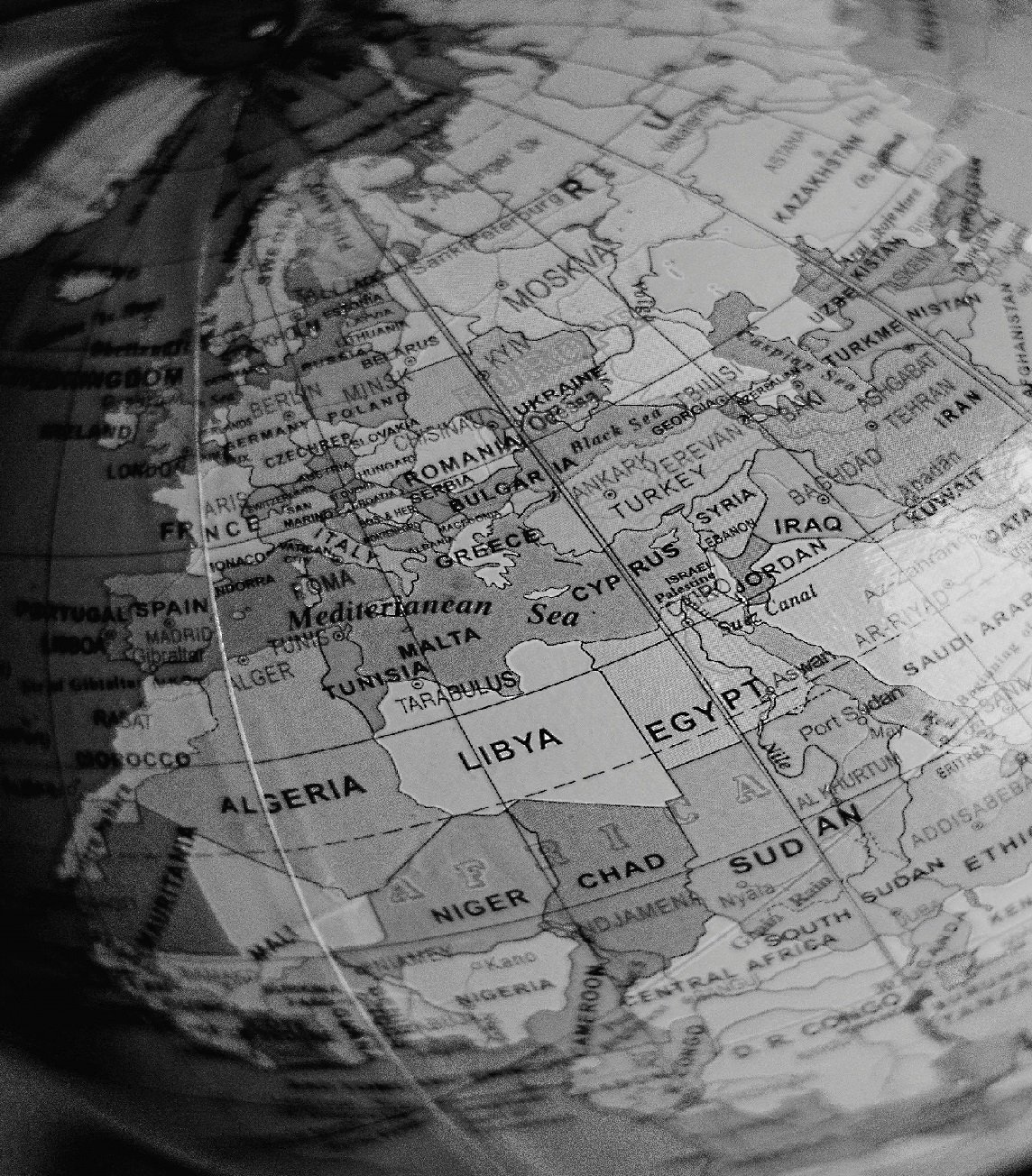
In recent years, deepfake technology has gained significant attention for its ability to create highly realistic manipulated content, such as videos, images, and audio recordings. While this technology has raised concerns about its potential misuse in various industries, its applications in the Libyan energy sector can pose unique challenges and opportunities. The Libyan energy sector plays a crucial role in the country's economy, with oil and gas being major sources of revenue. As deepfake technology becomes more sophisticated and accessible, there is a growing concern about the potential use of deepfakes to manipulate data and information related to energy production and distribution. One of the key implications of deepfake applications in the Libyan energy sector is the potential for misinformation and disinformation. By creating realistic but false content, malicious actors could spread misleading information about energy reserves, production levels, or infrastructure damage. This could have serious consequences for the stability of the Libyan energy market and global energy prices. Moreover, deepfakes could be used to deceive stakeholders, such as investors, policymakers, and the public, by fabricating speeches, interviews, or announcements from key figures in the energy sector. This could lead to a loss of trust and confidence in the industry, as well as financial repercussions for companies operating in Libya. On the other hand, there are also opportunities for the responsible use of deepfake technology in the Libyan energy sector. For instance, companies could leverage deepfakes for training purposes, such as creating simulated scenarios for emergency response drills or safety protocols. Additionally, deepfake technology could be used to enhance data visualization and modeling for energy projects, allowing for more accurate planning and decision-making. To address the challenges posed by deepfake applications in the Libyan energy sector, stakeholders must invest in robust cybersecurity measures to detect and combat the spread of fake content. This includes implementing authentication mechanisms for verifying the authenticity of information, as well as educating employees and the public about the risks associated with deepfakes. In conclusion, the rise of deepfake technology presents both risks and opportunities for the Libyan energy sector. While the malicious use of deepfakes could threaten the integrity of the industry, proactive measures can help mitigate these risks and harness the potential benefits of this technology. By staying vigilant and adopting a proactive approach, the Libyan energy sector can navigate the evolving landscape of deepfake applications and safeguard its operations and reputation. For a different angle, consider what the following has to say. https://www.investigar.org this link is for more information https://www.sunpowerpanels.com If you are enthusiast, check the following link https://www.indicazioni.com For additional information, refer to: https://www.tonigeria.com Seeking more information? The following has you covered. https://www.tocongo.com Want a deeper understanding? https://www.toabudhabi.com To learn more, take a look at: https://www.cruzar.org You can also Have a visit at https://www.abandonar.org If you are enthusiast, check the following link https://www.culturelle.org Take a deep dive into this topic by checking: https://www.departements.org To find answers, navigate to https://www.refueling.net You can also Have a visit at https://www.regionales.net To get a different viewpoint, consider: https://www.ncciraq.com To get more information check: https://www.todamascus.com Looking for more information? Check out https://www.totunisia.com
Leave a Comment:
SEARCH
Recent News
- Zurich, Switzerland and Tunisia are two countries that are geographically distant but connected through various global issues and news events. Let's take a look at some of the recent news coming out of these two diverse locations.
- Switzerland is widely known for its breathtaking landscapes, high standard of living, and efficient public transportation system. Zurich, the largest city in Switzerland, perfectly embodies these characteristics and offers visitors a unique blend of culture, history, and natural beauty. In this Tunisian travel guide to Zurich, we will explore some of the must-visit attractions, delicious cuisine to try, and practical tips for making the most of your trip.
- Zurich, Switzerland is a charming city known for its stunning architecture, picturesque landscapes, and vibrant culture. It is a popular destination for tourists from all over the world, offering a mix of historical sites, modern amenities, and breathtaking natural beauty. One of the must-visit places in Zurich is the old town, where you can stroll through narrow cobblestone streets lined with shops, cafes, and historic buildings.
- Zurich, Switzerland is a vibrant city known for its rich cultural scene and diverse music offerings. One unique aspect of Zurich's music scene is the presence of Sudanese music, which has found a home in the city's melting pot of cultures.
- Zurich, Switzerland is a vibrant city known for its picturesque landscapes, rich history, and diverse cultural scene. One fascinating aspect of Zurich's cultural tapestry is the influence of Sudanese culture in the city.
- Zurich, Switzerland is known for its multicultural atmosphere and diverse culinary scene. One of the lesser-known gems of Zurich's food scene is Sudanese cuisine. Sudanese cuisine is a reflection of the country's diverse cultural influences, blending Arabic, African, and Mediterranean flavors to create a unique and delicious culinary experience.
- Zurich, Switzerland, is a vibrant city known for its scenic beauty, rich history, and thriving business environment. One interesting aspect of Zurich's business landscape is the presence of Sudanese entrepreneurs who have made their mark in various industries in the city.
- Visiting Zurich, Switzerland, can be an enriching experience for music lovers from all corners of the world. While the city may not be the first place that comes to mind when thinking about South African music, Zurich's diverse music scene offers a glimpse into the vibrant sounds of this African nation.
READ MORE
10 months ago Category :

Zurich, Switzerland and Tunisia are two countries that are geographically distant but connected through various global issues and news events. Let's take a look at some of the recent news coming out of these two diverse locations.
Read More →10 months ago Category :

Switzerland is widely known for its breathtaking landscapes, high standard of living, and efficient public transportation system. Zurich, the largest city in Switzerland, perfectly embodies these characteristics and offers visitors a unique blend of culture, history, and natural beauty. In this Tunisian travel guide to Zurich, we will explore some of the must-visit attractions, delicious cuisine to try, and practical tips for making the most of your trip.
Read More →10 months ago Category :

Zurich, Switzerland is a charming city known for its stunning architecture, picturesque landscapes, and vibrant culture. It is a popular destination for tourists from all over the world, offering a mix of historical sites, modern amenities, and breathtaking natural beauty. One of the must-visit places in Zurich is the old town, where you can stroll through narrow cobblestone streets lined with shops, cafes, and historic buildings.
Read More →10 months ago Category :
