Securing Libya's Energy Sector with Data Hashing
Category : | Sub Category : Posted on 2025-11-03 22:25:23
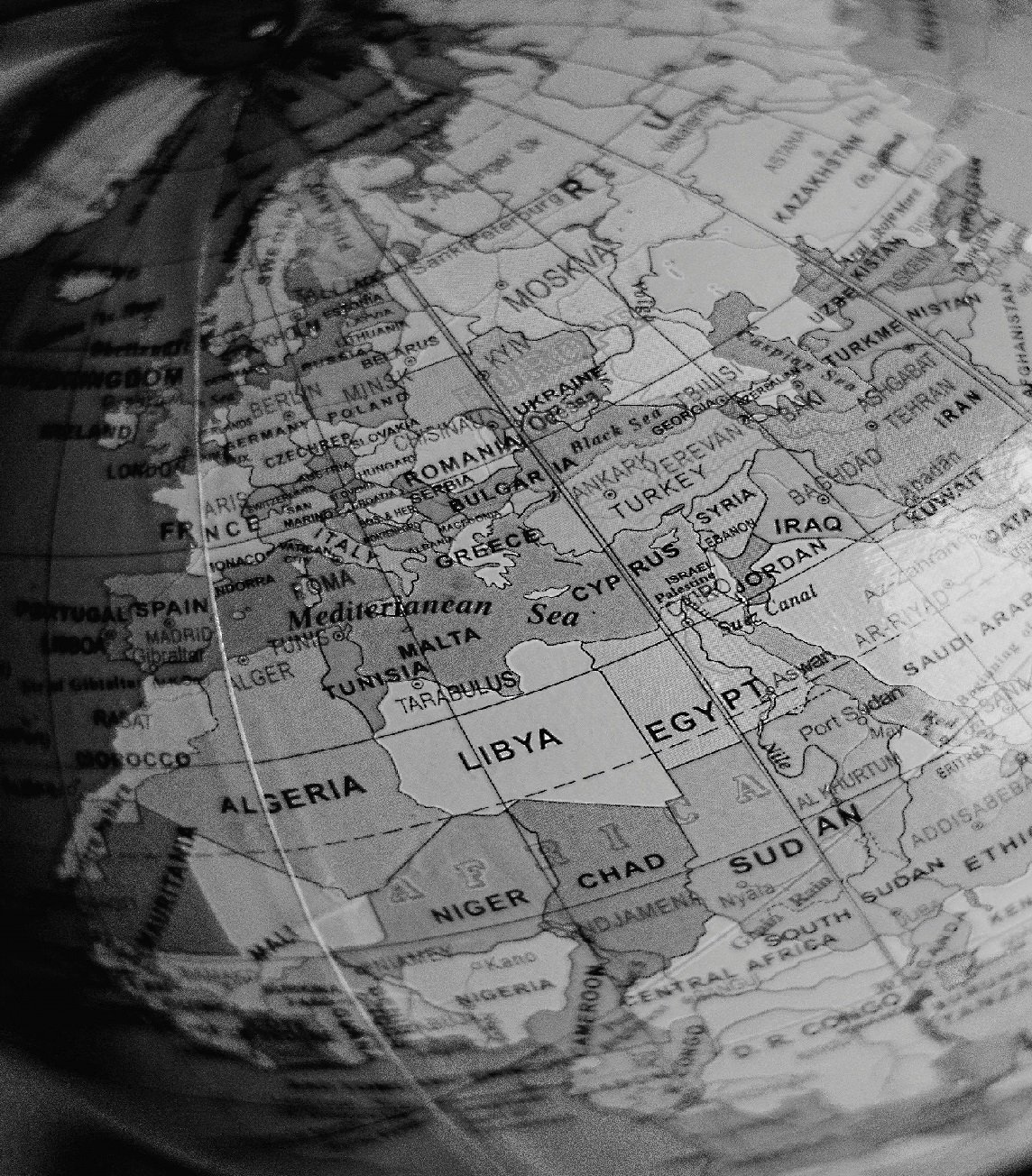
In recent years, Libya's energy sector has faced numerous challenges, from political instability to security threats. With the increasing importance of digital technologies in the energy industry, ensuring the security and integrity of data has become a top priority for companies operating in the region. One of the key cybersecurity measures that can help safeguard Libya's energy sector is data hashing. Data hashing is a cryptographic technique that converts an input (or 'message') into a fixed-size string of bytes. This hashed value is unique to the input data and serves as a digital fingerprint, making it virtually impossible to reverse-engineer the original input data from the hash. In the context of Libya's energy sector, data hashing can be used to secure critical information such as production data, operational logs, and sensitive customer information. By hashing this data before storing or transmitting it, companies can ensure that any unauthorized modifications or tampering attempts are immediately detected. Furthermore, data hashing can also play a crucial role in verifying the authenticity of information exchanged between different entities within the energy sector. For example, when sharing data between oil refineries and transportation companies, using hashing algorithms can help ensure that the data has not been altered or corrupted during transit. Moreover, implementing data hashing in combination with other cybersecurity measures such as encryption and access controls can create a multi-layered defense system that significantly reduces the risk of data breaches and cyber attacks. As Libya continues to rebuild and stabilize its energy sector, investing in robust cybersecurity measures like data hashing is essential to maintaining operational resilience and safeguarding critical infrastructure. By leveraging advanced technologies and best practices in data security, companies operating in the Libyan energy sector can stay ahead of emerging threats and protect their valuable digital assets. In conclusion, data hashing presents a powerful tool for enhancing the cybersecurity posture of Libya's energy sector. By integrating data hashing into their cybersecurity strategies, energy companies can strengthen data integrity, authenticate information exchanges, and fortify their defenses against evolving cyber threats. Ultimately, prioritizing data security through techniques like hashing is essential for ensuring the stability and reliability of Libya's energy infrastructure in the digital age. For a deeper dive, visit: https://www.investigar.org For more information: https://www.sunpowerpanels.com To expand your knowledge, I recommend: https://www.tonigeria.com Get more at https://www.tocongo.com For a comprehensive overview, don't miss: https://www.toabudhabi.com To understand this better, read https://www.cruzar.org Explore this subject in detail with https://www.abandonar.org To get more information check: https://www.culturelle.org Want to gain insights? Start with https://www.departements.org Check the link below: https://www.refueling.net For more information: https://www.regionales.net Want to learn more? Start with: https://www.ncciraq.com Explore expert opinions in https://www.todamascus.com Dive into the details to understand this topic thoroughly. https://www.totunisia.com
Leave a Comment:
SEARCH
Recent News
- Zurich, Switzerland and Tunisia are two countries that are geographically distant but connected through various global issues and news events. Let's take a look at some of the recent news coming out of these two diverse locations.
- Switzerland is widely known for its breathtaking landscapes, high standard of living, and efficient public transportation system. Zurich, the largest city in Switzerland, perfectly embodies these characteristics and offers visitors a unique blend of culture, history, and natural beauty. In this Tunisian travel guide to Zurich, we will explore some of the must-visit attractions, delicious cuisine to try, and practical tips for making the most of your trip.
- Zurich, Switzerland is a charming city known for its stunning architecture, picturesque landscapes, and vibrant culture. It is a popular destination for tourists from all over the world, offering a mix of historical sites, modern amenities, and breathtaking natural beauty. One of the must-visit places in Zurich is the old town, where you can stroll through narrow cobblestone streets lined with shops, cafes, and historic buildings.
- Zurich, Switzerland is a vibrant city known for its rich cultural scene and diverse music offerings. One unique aspect of Zurich's music scene is the presence of Sudanese music, which has found a home in the city's melting pot of cultures.
- Zurich, Switzerland is a vibrant city known for its picturesque landscapes, rich history, and diverse cultural scene. One fascinating aspect of Zurich's cultural tapestry is the influence of Sudanese culture in the city.
- Zurich, Switzerland is known for its multicultural atmosphere and diverse culinary scene. One of the lesser-known gems of Zurich's food scene is Sudanese cuisine. Sudanese cuisine is a reflection of the country's diverse cultural influences, blending Arabic, African, and Mediterranean flavors to create a unique and delicious culinary experience.
- Zurich, Switzerland, is a vibrant city known for its scenic beauty, rich history, and thriving business environment. One interesting aspect of Zurich's business landscape is the presence of Sudanese entrepreneurs who have made their mark in various industries in the city.
- Visiting Zurich, Switzerland, can be an enriching experience for music lovers from all corners of the world. While the city may not be the first place that comes to mind when thinking about South African music, Zurich's diverse music scene offers a glimpse into the vibrant sounds of this African nation.
READ MORE
10 months ago Category :

Zurich, Switzerland and Tunisia are two countries that are geographically distant but connected through various global issues and news events. Let's take a look at some of the recent news coming out of these two diverse locations.
Read More →10 months ago Category :

Switzerland is widely known for its breathtaking landscapes, high standard of living, and efficient public transportation system. Zurich, the largest city in Switzerland, perfectly embodies these characteristics and offers visitors a unique blend of culture, history, and natural beauty. In this Tunisian travel guide to Zurich, we will explore some of the must-visit attractions, delicious cuisine to try, and practical tips for making the most of your trip.
Read More →10 months ago Category :

Zurich, Switzerland is a charming city known for its stunning architecture, picturesque landscapes, and vibrant culture. It is a popular destination for tourists from all over the world, offering a mix of historical sites, modern amenities, and breathtaking natural beauty. One of the must-visit places in Zurich is the old town, where you can stroll through narrow cobblestone streets lined with shops, cafes, and historic buildings.
Read More →10 months ago Category :
