In recent years, Libya's political situation has been fraught with instability and conflict. Following the ousting of longtime dictator Muammar Gaddafi in 2011, the country descended into chaos as various factions vied for power and control. The situation was further exacerbated by the involvement of foreign powers and the proliferation of armed groups.
Category : Libya Political Updates | Sub Category : Libya Political Situation Posted on 2025-02-02 21:24:53
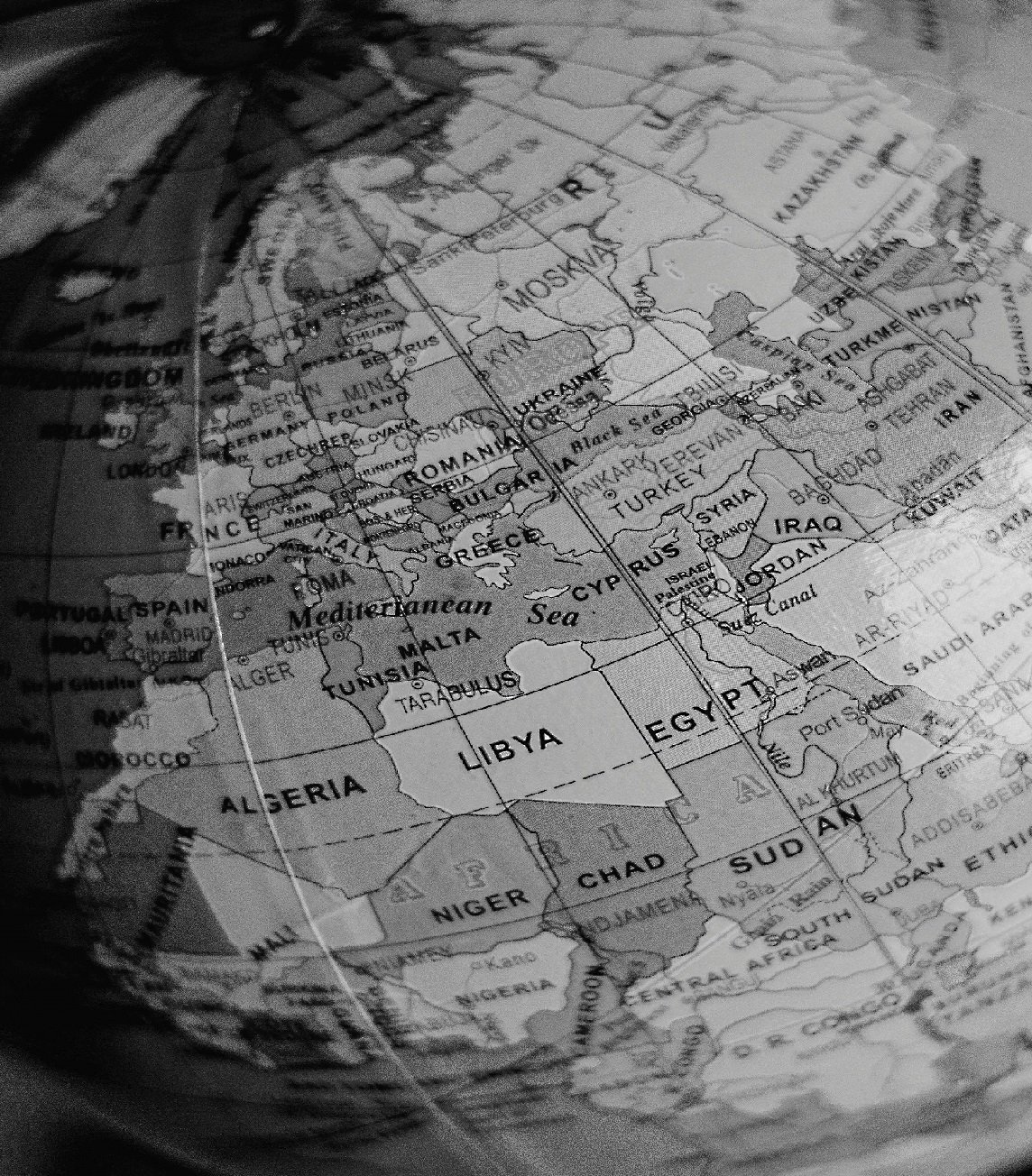
In recent years, Libya's political situation has been fraught with instability and conflict. Following the ousting of longtime dictator Muammar Gaddafi in 2011, the country descended into chaos as various factions vied for power and control. The situation was further exacerbated by the involvement of foreign powers and the proliferation of armed groups.
The United Nations has been involved in efforts to broker peace and establish a stable and inclusive government in Libya. The UN-backed Government of National Accord (GNA) was formed in 2015 and led by Prime Minister Fayez al-Sarraj. However, the GNA has faced challenges in asserting its authority and extending its control over the entire country.
One of the key players in Libya's political landscape is General Khalifa Haftar, who leads the self-styled Libyan National Army (LNA). Haftar and his forces have been engaged in a ongoing conflict with the GNA, with fighting occurring in various parts of the country.
In recent developments, a ceasefire agreement was brokered in October 2020 between the GNA and LNA, with both sides agreeing to a UN-backed peace process. This has raised hopes for a peaceful resolution to the conflict and the prospect of stability returning to Libya.
Moving forward, challenges remain in achieving lasting peace and political stability in Libya. The presence of foreign military forces and mercenaries, as well as the issue of disarming and integrating various armed groups, pose significant obstacles to a peaceful transition.
As the international community continues to engage with Libya to support peace efforts, the hope is that the country can overcome its political challenges and build a more inclusive and democratic political system that reflects the aspirations of its people.
Leave a Comment:
SEARCH
Recent News
- Zurich, Switzerland and Tunisia are two countries that are geographically distant but connected through various global issues and news events. Let's take a look at some of the recent news coming out of these two diverse locations.
- Switzerland is widely known for its breathtaking landscapes, high standard of living, and efficient public transportation system. Zurich, the largest city in Switzerland, perfectly embodies these characteristics and offers visitors a unique blend of culture, history, and natural beauty. In this Tunisian travel guide to Zurich, we will explore some of the must-visit attractions, delicious cuisine to try, and practical tips for making the most of your trip.
- Zurich, Switzerland is a charming city known for its stunning architecture, picturesque landscapes, and vibrant culture. It is a popular destination for tourists from all over the world, offering a mix of historical sites, modern amenities, and breathtaking natural beauty. One of the must-visit places in Zurich is the old town, where you can stroll through narrow cobblestone streets lined with shops, cafes, and historic buildings.
- Zurich, Switzerland is a vibrant city known for its rich cultural scene and diverse music offerings. One unique aspect of Zurich's music scene is the presence of Sudanese music, which has found a home in the city's melting pot of cultures.
- Zurich, Switzerland is a vibrant city known for its picturesque landscapes, rich history, and diverse cultural scene. One fascinating aspect of Zurich's cultural tapestry is the influence of Sudanese culture in the city.
- Zurich, Switzerland is known for its multicultural atmosphere and diverse culinary scene. One of the lesser-known gems of Zurich's food scene is Sudanese cuisine. Sudanese cuisine is a reflection of the country's diverse cultural influences, blending Arabic, African, and Mediterranean flavors to create a unique and delicious culinary experience.
- Zurich, Switzerland, is a vibrant city known for its scenic beauty, rich history, and thriving business environment. One interesting aspect of Zurich's business landscape is the presence of Sudanese entrepreneurs who have made their mark in various industries in the city.
- Visiting Zurich, Switzerland, can be an enriching experience for music lovers from all corners of the world. While the city may not be the first place that comes to mind when thinking about South African music, Zurich's diverse music scene offers a glimpse into the vibrant sounds of this African nation.
READ MORE
11 months ago Category :

Zurich, Switzerland and Tunisia are two countries that are geographically distant but connected through various global issues and news events. Let's take a look at some of the recent news coming out of these two diverse locations.
Read More →11 months ago Category :

Switzerland is widely known for its breathtaking landscapes, high standard of living, and efficient public transportation system. Zurich, the largest city in Switzerland, perfectly embodies these characteristics and offers visitors a unique blend of culture, history, and natural beauty. In this Tunisian travel guide to Zurich, we will explore some of the must-visit attractions, delicious cuisine to try, and practical tips for making the most of your trip.
Read More →11 months ago Category :

Zurich, Switzerland is a charming city known for its stunning architecture, picturesque landscapes, and vibrant culture. It is a popular destination for tourists from all over the world, offering a mix of historical sites, modern amenities, and breathtaking natural beauty. One of the must-visit places in Zurich is the old town, where you can stroll through narrow cobblestone streets lined with shops, cafes, and historic buildings.
Read More →11 months ago Category :
