Language is a fundamental aspect of cultural identity, providing a unique window into the rich tapestry of traditions, beliefs, and values that define a community. In the North African nation of Libya, language plays a crucial role in shaping the country's diverse cultural landscape. Libya is home to a complex linguistic tapestry, with numerous languages and dialects spoken across the country.
Category : Libya Language and Dialects | Sub Category : Libya Language Preservation Posted on 2025-02-02 21:24:53
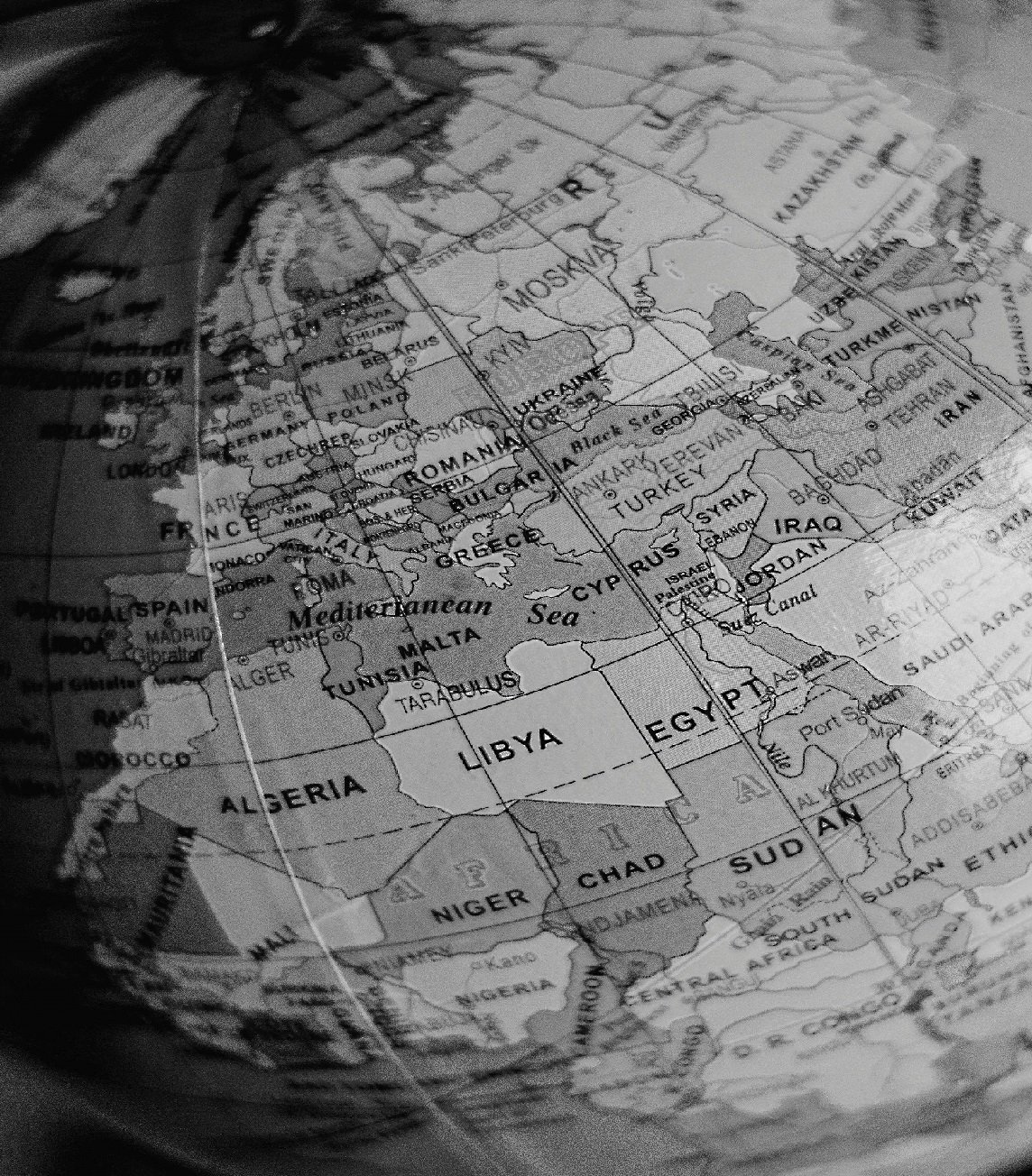
Language is a fundamental aspect of cultural identity, providing a unique window into the rich tapestry of traditions, beliefs, and values that define a community. In the North African nation of Libya, language plays a crucial role in shaping the country's diverse cultural landscape. Libya is home to a complex linguistic tapestry, with numerous languages and dialects spoken across the country.
Arabic is the official language of Libya and serves as the primary means of communication in the country. Standard Arabic, also known as Literary Arabic, is the formal language used in government, education, and the media. However, the spoken Arabic dialects in Libya vary significantly from Standard Arabic, reflecting regional differences and influences from other languages.
One of the most widely spoken dialects in Libya is Libyan Arabic, also known as "Derja." Libyan Arabic is a distinct dialect that differs from Standard Arabic in pronunciation, vocabulary, and grammar. It is deeply rooted in the country's history and reflects the influence of Amazigh (Berber), Turkish, Italian, and English languages.
In addition to Arabic dialects, the Amazigh (Berber) language is also spoken in Libya, particularly in the western mountainous region known as the Nafusa Mountains. The Amazigh language is an important part of Libya's linguistic heritage, representing the indigenous Berber population's cultural identity and traditions.
Despite the diversity of languages and dialects spoken in Libya, there are concerns about the preservation and promotion of these linguistic traditions. Globalization, urbanization, and modernization are posing challenges to the preservation of language diversity in Libya, with younger generations opting to use Arabic and other dominant languages in everyday communication.
Efforts are being made to promote and preserve Libya's language diversity, including initiatives to document and revitalize endangered languages and dialects. Language preservation programs, cultural festivals, and educational initiatives are helping to raise awareness about the importance of maintaining linguistic diversity in Libya.
Preserving Libya's rich linguistic heritage is essential for safeguarding the country's cultural identity and promoting inclusivity and understanding among its diverse communities. By recognizing and valuing the unique languages and dialects spoken in Libya, we can celebrate the richness and diversity of the country's cultural tapestry.
Leave a Comment:
SEARCH
Recent News
- Zurich, Switzerland and Tunisia are two countries that are geographically distant but connected through various global issues and news events. Let's take a look at some of the recent news coming out of these two diverse locations.
- Switzerland is widely known for its breathtaking landscapes, high standard of living, and efficient public transportation system. Zurich, the largest city in Switzerland, perfectly embodies these characteristics and offers visitors a unique blend of culture, history, and natural beauty. In this Tunisian travel guide to Zurich, we will explore some of the must-visit attractions, delicious cuisine to try, and practical tips for making the most of your trip.
- Zurich, Switzerland is a charming city known for its stunning architecture, picturesque landscapes, and vibrant culture. It is a popular destination for tourists from all over the world, offering a mix of historical sites, modern amenities, and breathtaking natural beauty. One of the must-visit places in Zurich is the old town, where you can stroll through narrow cobblestone streets lined with shops, cafes, and historic buildings.
- Zurich, Switzerland is a vibrant city known for its rich cultural scene and diverse music offerings. One unique aspect of Zurich's music scene is the presence of Sudanese music, which has found a home in the city's melting pot of cultures.
- Zurich, Switzerland is a vibrant city known for its picturesque landscapes, rich history, and diverse cultural scene. One fascinating aspect of Zurich's cultural tapestry is the influence of Sudanese culture in the city.
- Zurich, Switzerland is known for its multicultural atmosphere and diverse culinary scene. One of the lesser-known gems of Zurich's food scene is Sudanese cuisine. Sudanese cuisine is a reflection of the country's diverse cultural influences, blending Arabic, African, and Mediterranean flavors to create a unique and delicious culinary experience.
- Zurich, Switzerland, is a vibrant city known for its scenic beauty, rich history, and thriving business environment. One interesting aspect of Zurich's business landscape is the presence of Sudanese entrepreneurs who have made their mark in various industries in the city.
- Visiting Zurich, Switzerland, can be an enriching experience for music lovers from all corners of the world. While the city may not be the first place that comes to mind when thinking about South African music, Zurich's diverse music scene offers a glimpse into the vibrant sounds of this African nation.
READ MORE
11 months ago Category :

Zurich, Switzerland and Tunisia are two countries that are geographically distant but connected through various global issues and news events. Let's take a look at some of the recent news coming out of these two diverse locations.
Read More →11 months ago Category :

Switzerland is widely known for its breathtaking landscapes, high standard of living, and efficient public transportation system. Zurich, the largest city in Switzerland, perfectly embodies these characteristics and offers visitors a unique blend of culture, history, and natural beauty. In this Tunisian travel guide to Zurich, we will explore some of the must-visit attractions, delicious cuisine to try, and practical tips for making the most of your trip.
Read More →11 months ago Category :

Zurich, Switzerland is a charming city known for its stunning architecture, picturesque landscapes, and vibrant culture. It is a popular destination for tourists from all over the world, offering a mix of historical sites, modern amenities, and breathtaking natural beauty. One of the must-visit places in Zurich is the old town, where you can stroll through narrow cobblestone streets lined with shops, cafes, and historic buildings.
Read More →11 months ago Category :
