Libya is a country located in North Africa, known for its vast desert landscapes. The country is characterized by its three main desert regions: the Sahara Desert in the south, the Libyan Desert in the east, and the Jifarah Plain in the west.
Category : Libya Geography Facts | Sub Category : Libya Desert Regions Posted on 2025-02-02 21:24:53
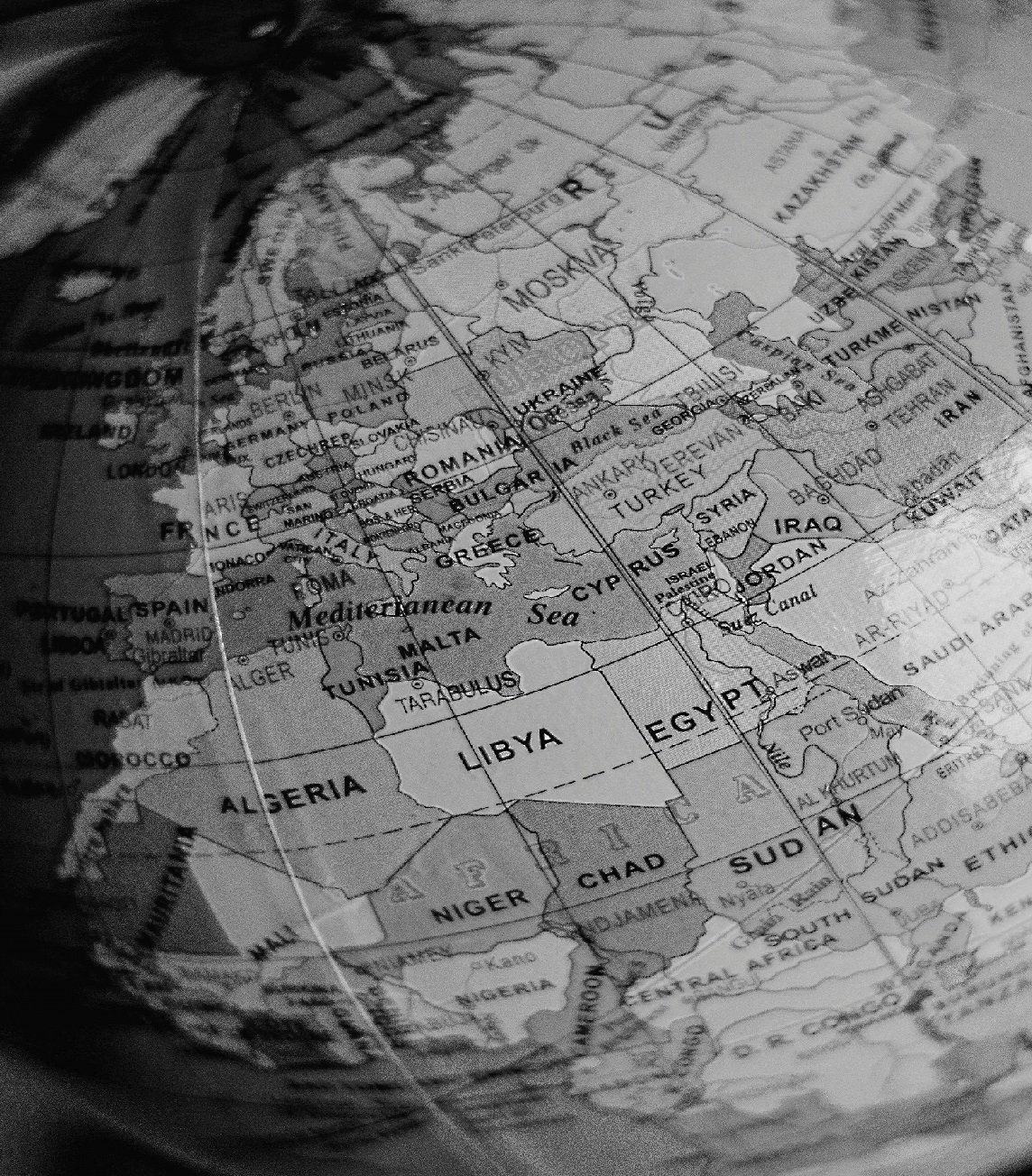
Libya is a country located in North Africa, known for its vast desert landscapes. The country is characterized by its three main desert regions: the Sahara Desert in the south, the Libyan Desert in the east, and the Jifarah Plain in the west.
The Sahara Desert covers much of southern Libya and is one of the hottest and driest places on Earth. It is the largest hot desert in the world, spanning several countries across North Africa. The Libyan section of the Sahara is characterized by vast sand dunes, rocky plateaus, and dry riverbeds known as wadis. Despite its harsh conditions, the Sahara is home to unique desert-adapted wildlife such as camels, desert foxes, and various species of lizards.
Moving towards the eastern part of Libya, we encounter the Libyan Desert, also known as the Eastern Desert. This arid region is characterized by rocky plateaus, sand seas, and mountain ranges. One notable feature of the Libyan Desert is the Jebel Akhdar, a mountainous area that receives more rainfall than the surrounding desert, supporting agriculture and vegetation. The desert is also home to ancient Roman and Greek ruins, providing insights into Libya's rich historical past.
In the western part of Libya lies the Jifarah Plain, a flat, arid region that is part of the larger Saharan landscape. This area is sparsely populated, with most inhabitants living in the capital city of Tripoli and other coastal towns. The Jifarah Plain is known for its agricultural activities, with olive groves and date palms dotting the landscape. The region also features ancient Roman ruins and archaeological sites that offer a glimpse into Libya's historical significance.
Overall, Libya's desert regions play a significant role in shaping the country's geography and culture. From the vast expanse of the Sahara Desert to the rugged terrain of the Libyan Desert and the fertile lands of the Jifarah Plain, these regions showcase the diverse beauty and resilience of Libya's natural landscapes.
Leave a Comment:
SEARCH
Recent News
- Zurich, Switzerland and Tunisia are two countries that are geographically distant but connected through various global issues and news events. Let's take a look at some of the recent news coming out of these two diverse locations.
- Switzerland is widely known for its breathtaking landscapes, high standard of living, and efficient public transportation system. Zurich, the largest city in Switzerland, perfectly embodies these characteristics and offers visitors a unique blend of culture, history, and natural beauty. In this Tunisian travel guide to Zurich, we will explore some of the must-visit attractions, delicious cuisine to try, and practical tips for making the most of your trip.
- Zurich, Switzerland is a charming city known for its stunning architecture, picturesque landscapes, and vibrant culture. It is a popular destination for tourists from all over the world, offering a mix of historical sites, modern amenities, and breathtaking natural beauty. One of the must-visit places in Zurich is the old town, where you can stroll through narrow cobblestone streets lined with shops, cafes, and historic buildings.
- Zurich, Switzerland is a vibrant city known for its rich cultural scene and diverse music offerings. One unique aspect of Zurich's music scene is the presence of Sudanese music, which has found a home in the city's melting pot of cultures.
- Zurich, Switzerland is a vibrant city known for its picturesque landscapes, rich history, and diverse cultural scene. One fascinating aspect of Zurich's cultural tapestry is the influence of Sudanese culture in the city.
- Zurich, Switzerland is known for its multicultural atmosphere and diverse culinary scene. One of the lesser-known gems of Zurich's food scene is Sudanese cuisine. Sudanese cuisine is a reflection of the country's diverse cultural influences, blending Arabic, African, and Mediterranean flavors to create a unique and delicious culinary experience.
- Zurich, Switzerland, is a vibrant city known for its scenic beauty, rich history, and thriving business environment. One interesting aspect of Zurich's business landscape is the presence of Sudanese entrepreneurs who have made their mark in various industries in the city.
- Visiting Zurich, Switzerland, can be an enriching experience for music lovers from all corners of the world. While the city may not be the first place that comes to mind when thinking about South African music, Zurich's diverse music scene offers a glimpse into the vibrant sounds of this African nation.
READ MORE
11 months ago Category :

Zurich, Switzerland and Tunisia are two countries that are geographically distant but connected through various global issues and news events. Let's take a look at some of the recent news coming out of these two diverse locations.
Read More →11 months ago Category :

Switzerland is widely known for its breathtaking landscapes, high standard of living, and efficient public transportation system. Zurich, the largest city in Switzerland, perfectly embodies these characteristics and offers visitors a unique blend of culture, history, and natural beauty. In this Tunisian travel guide to Zurich, we will explore some of the must-visit attractions, delicious cuisine to try, and practical tips for making the most of your trip.
Read More →11 months ago Category :

Zurich, Switzerland is a charming city known for its stunning architecture, picturesque landscapes, and vibrant culture. It is a popular destination for tourists from all over the world, offering a mix of historical sites, modern amenities, and breathtaking natural beauty. One of the must-visit places in Zurich is the old town, where you can stroll through narrow cobblestone streets lined with shops, cafes, and historic buildings.
Read More →11 months ago Category :
