Libya is a country situated in North Africa known for its rich history, diverse culture, and stunning landscapes. However, like many nations around the world, Libya also faces environmental challenges that require attention and action. In this article, we will explore some of the environmental issues in Libya and take a closer look at the country's environmental protection laws.
Category : Libya Environmental Issues | Sub Category : Libya Environmental Protection Laws Posted on 2025-02-02 21:24:53
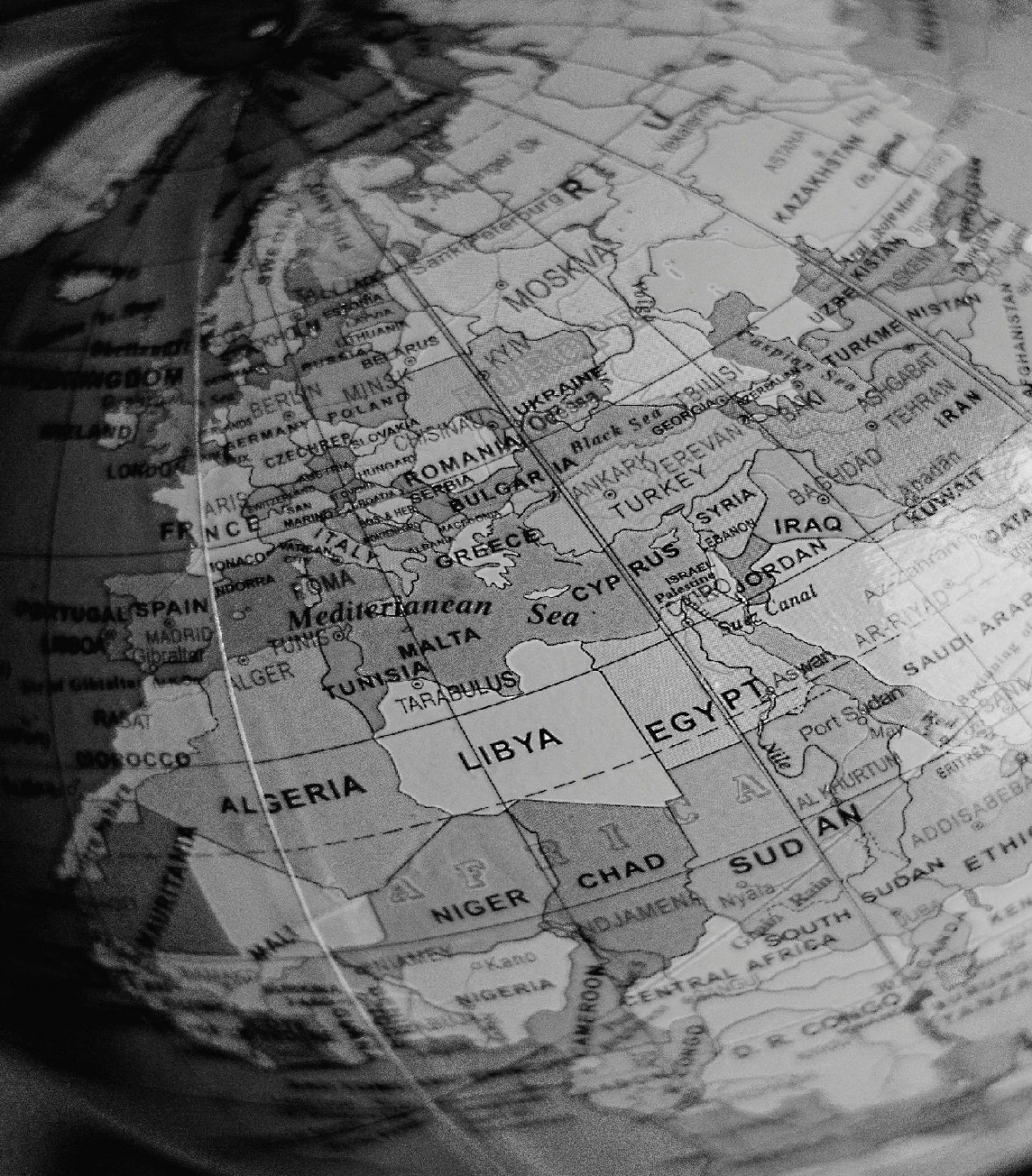
Libya is a country situated in North Africa known for its rich history, diverse culture, and stunning landscapes. However, like many nations around the world, Libya also faces environmental challenges that require attention and action. In this article, we will explore some of the environmental issues in Libya and take a closer look at the country's environmental protection laws.
One of the significant environmental issues in Libya is desertification. With more than 90% of the country covered by the Sahara Desert, desertification poses a serious threat to the country's land and biodiversity. Factors such as overgrazing, deforestation, and unsustainable agricultural practices contribute to the degradation of soil quality and the loss of vegetation cover. This, in turn, leads to soil erosion, reduced water availability, and the destruction of habitats for wildlife.
Another pressing environmental concern in Libya is water scarcity. The country relies heavily on groundwater sources for its water supply, but over-extraction and inefficient water management practices have led to dwindling water reserves. Climate change further exacerbates this issue, with rising temperatures and changing precipitation patterns affecting water availability and quality.
To address these environmental challenges and safeguard the country's natural resources, Libya has established environmental protection laws and regulations. The Environmental Protection Law, enacted in 1991, serves as the primary legal framework for environmental conservation in the country. This law aims to prevent pollution, protect ecosystems, and promote sustainable development by setting guidelines and standards for environmental management.
Additionally, Libya is a party to international environmental agreements such as the United Nations Framework Convention on Climate Change (UNFCCC) and the Convention on Biological Diversity (CBD). By participating in these agreements, Libya commits to taking collective action to address global environmental issues and protect biodiversity.
In conclusion, while Libya faces various environmental challenges, the country is making efforts to mitigate the impact of these issues through the implementation of environmental protection laws and participation in international agreements. By fostering sustainable practices, promoting conservation efforts, and raising awareness about environmental issues, Libya can work towards a greener and healthier future for its people and the planet.
Leave a Comment:
SEARCH
Recent News
- Zurich, Switzerland and Tunisia are two countries that are geographically distant but connected through various global issues and news events. Let's take a look at some of the recent news coming out of these two diverse locations.
- Switzerland is widely known for its breathtaking landscapes, high standard of living, and efficient public transportation system. Zurich, the largest city in Switzerland, perfectly embodies these characteristics and offers visitors a unique blend of culture, history, and natural beauty. In this Tunisian travel guide to Zurich, we will explore some of the must-visit attractions, delicious cuisine to try, and practical tips for making the most of your trip.
- Zurich, Switzerland is a charming city known for its stunning architecture, picturesque landscapes, and vibrant culture. It is a popular destination for tourists from all over the world, offering a mix of historical sites, modern amenities, and breathtaking natural beauty. One of the must-visit places in Zurich is the old town, where you can stroll through narrow cobblestone streets lined with shops, cafes, and historic buildings.
- Zurich, Switzerland is a vibrant city known for its rich cultural scene and diverse music offerings. One unique aspect of Zurich's music scene is the presence of Sudanese music, which has found a home in the city's melting pot of cultures.
- Zurich, Switzerland is a vibrant city known for its picturesque landscapes, rich history, and diverse cultural scene. One fascinating aspect of Zurich's cultural tapestry is the influence of Sudanese culture in the city.
- Zurich, Switzerland is known for its multicultural atmosphere and diverse culinary scene. One of the lesser-known gems of Zurich's food scene is Sudanese cuisine. Sudanese cuisine is a reflection of the country's diverse cultural influences, blending Arabic, African, and Mediterranean flavors to create a unique and delicious culinary experience.
- Zurich, Switzerland, is a vibrant city known for its scenic beauty, rich history, and thriving business environment. One interesting aspect of Zurich's business landscape is the presence of Sudanese entrepreneurs who have made their mark in various industries in the city.
- Visiting Zurich, Switzerland, can be an enriching experience for music lovers from all corners of the world. While the city may not be the first place that comes to mind when thinking about South African music, Zurich's diverse music scene offers a glimpse into the vibrant sounds of this African nation.
READ MORE
11 months ago Category :

Zurich, Switzerland and Tunisia are two countries that are geographically distant but connected through various global issues and news events. Let's take a look at some of the recent news coming out of these two diverse locations.
Read More →11 months ago Category :

Switzerland is widely known for its breathtaking landscapes, high standard of living, and efficient public transportation system. Zurich, the largest city in Switzerland, perfectly embodies these characteristics and offers visitors a unique blend of culture, history, and natural beauty. In this Tunisian travel guide to Zurich, we will explore some of the must-visit attractions, delicious cuisine to try, and practical tips for making the most of your trip.
Read More →11 months ago Category :

Zurich, Switzerland is a charming city known for its stunning architecture, picturesque landscapes, and vibrant culture. It is a popular destination for tourists from all over the world, offering a mix of historical sites, modern amenities, and breathtaking natural beauty. One of the must-visit places in Zurich is the old town, where you can stroll through narrow cobblestone streets lined with shops, cafes, and historic buildings.
Read More →11 months ago Category :
